
Development strategy
More units or better units? A practical look at development value
Gross development value depends on more than counting front doors. Layout, unit mix and buildability need to be tested together.
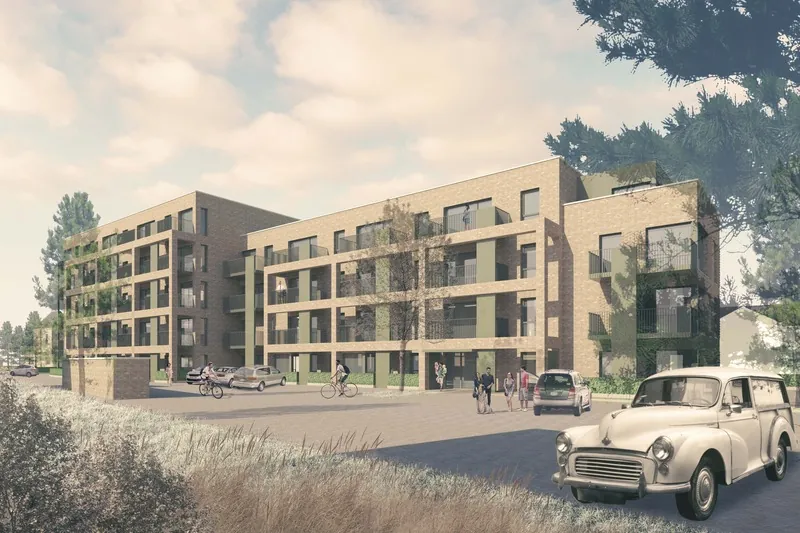
A development appraisal can change materially when the proposed product changes. An extra unit may look attractive on a spreadsheet, but it can also introduce more circulation, compromise room proportions or add construction complexity. Increasing gross development value is therefore not the same as maximising the number of front doors.
The team at Technocrates has carried out over £150 million worth of its own sites. That development experience informs conversations about how a scheme works commercially as well as how it will be built.
Start with the likely occupier
Ask who will buy or rent the finished homes and which features matter to them. Storage, usable living space, access and outdoor amenity can affect a home's appeal. Support pricing assumptions with appropriate local market evidence and professional valuation advice rather than applying the same figure to every square metre.
Compare layouts on a consistent basis
Test alternatives using the same area definitions, specification and cost assumptions. Look at the balance between saleable space and circulation, and consider whether an apparent gain in one area creates a problem elsewhere. An efficient layout should still produce homes that people want to occupy.
Bring construction into the discussion early
Structure, services, fire strategy and the building envelope influence which layouts are practical. Moving a kitchen or adding a unit can have consequences beyond partitions. Early contractor input helps identify these interfaces before an option becomes embedded in the planning and procurement strategy.
Review the whole appraisal
Value and cost need to be considered alongside programme, funding and risk. A higher headline GDV does not necessarily produce a better outcome if the alternative takes longer or introduces disproportionate uncertainty. Sensitivity testing helps reveal which assumptions have the greatest effect.
Turn a promising option into an informed decision
Technocrates can advise on layouts and unit mix and involve expert planning consulting specialists when required. The team is often able to identify scheme-value improvements of over 10%, but that is an opportunity to investigate, not a promised result. Outcomes depend on the site, planning position and market.
Bring the existing drawings and appraisal assumptions to a development consultation. The aim is to compare credible alternatives and understand their implications before committing to a redesign.